Content Strategy & Multimedia Production
Brand & Campaign Design Systems
Creative Operations & Team Leadership
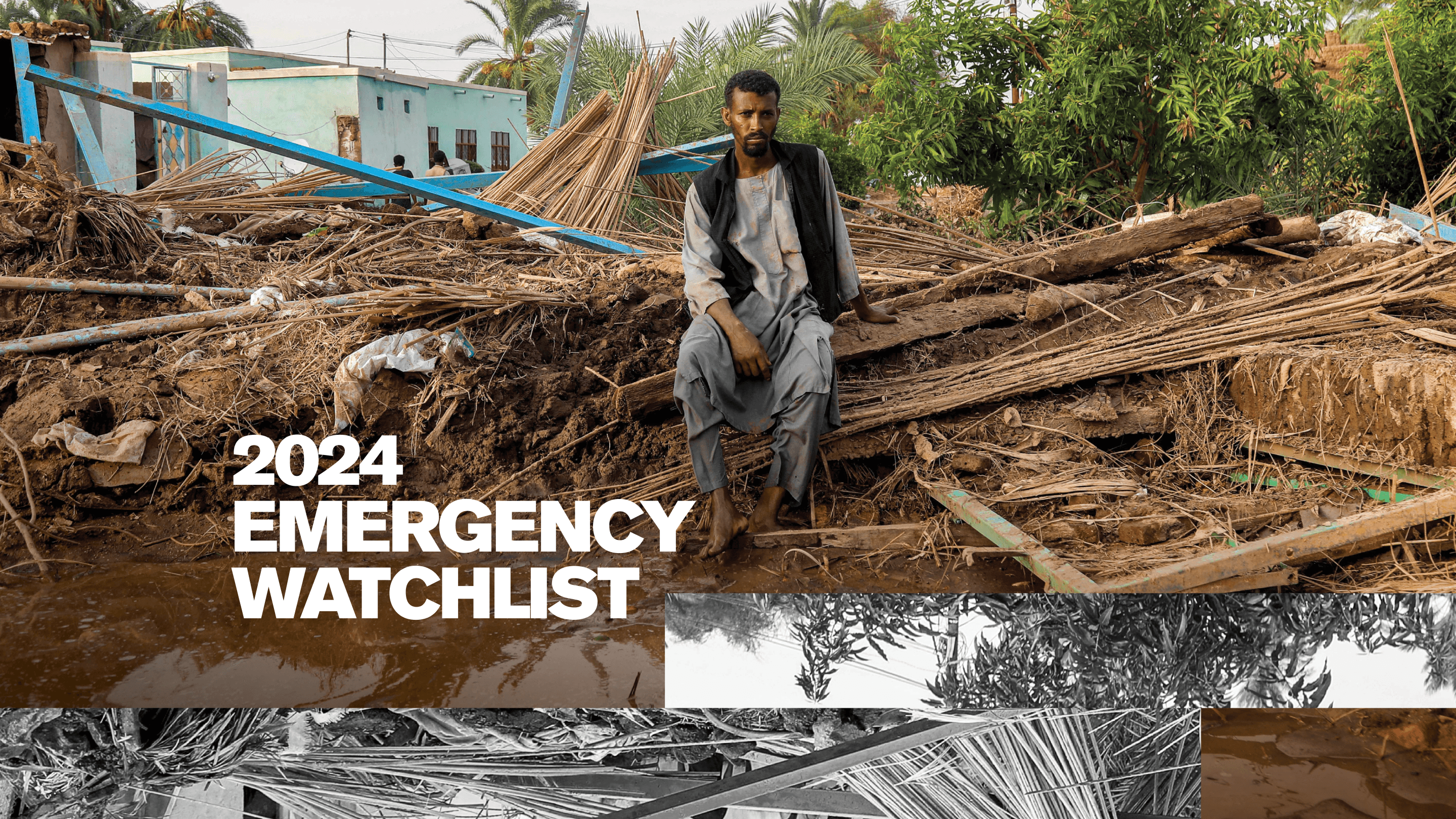
Strategic Foresight: The 2024 Emergency Watchlist
Challenging Myths to Reveal a New Geography of Crisis for Global Action.
Integrated Campaign Management; Policy Advocacy & Influence; Data Visualization & Reporting
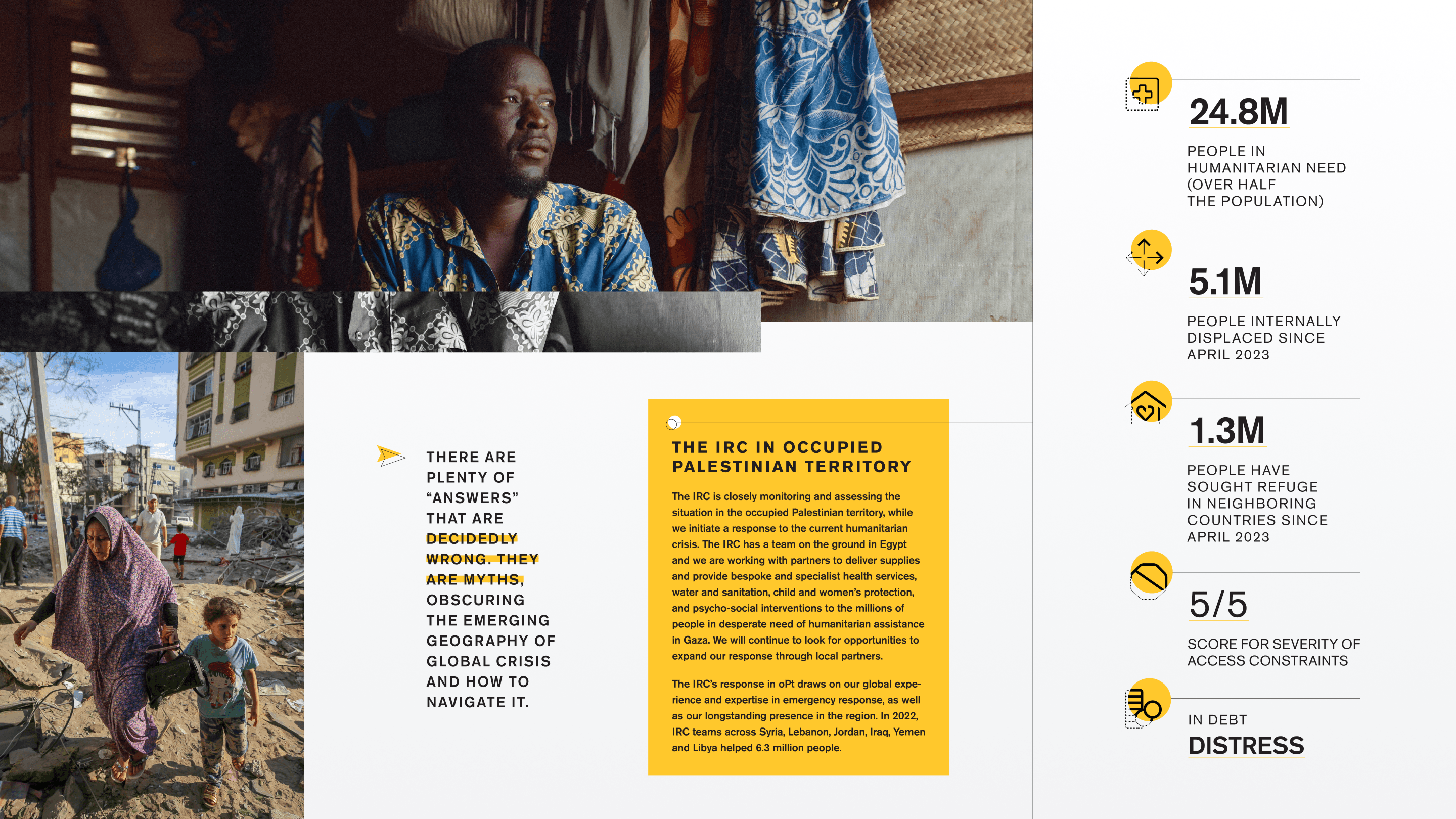
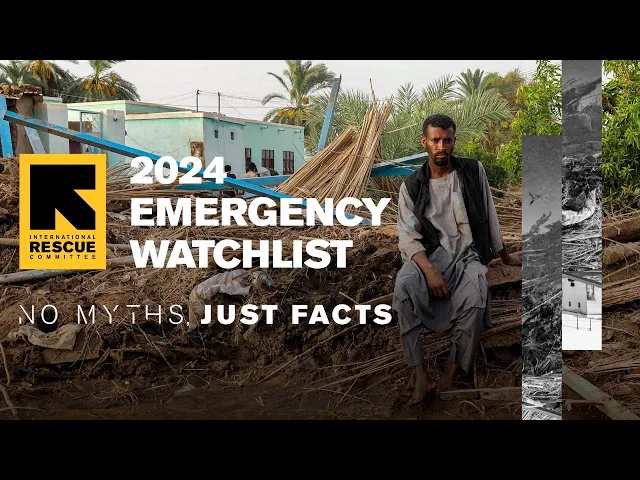
The Emergency Watchlist is the IRC's flagship annual product, driving both internal emergency planning and external policy action. The 2024 campaign was strategically focused on exposing "the myths that inhibit an adequate response to crisis" to reveal a new geography of global need, with thematic analysis focusing on conflict trends, including the focus on Africa in the top 10 listed countries. I led integrated creative production across every deliverable for the IRC's flagship annual publication — report, website, film, and data visualization. The project successfully raised the IRC’s profile and supported critical fundraising by visually detailing the urgent crises in countries like Sudan, which topped the list.
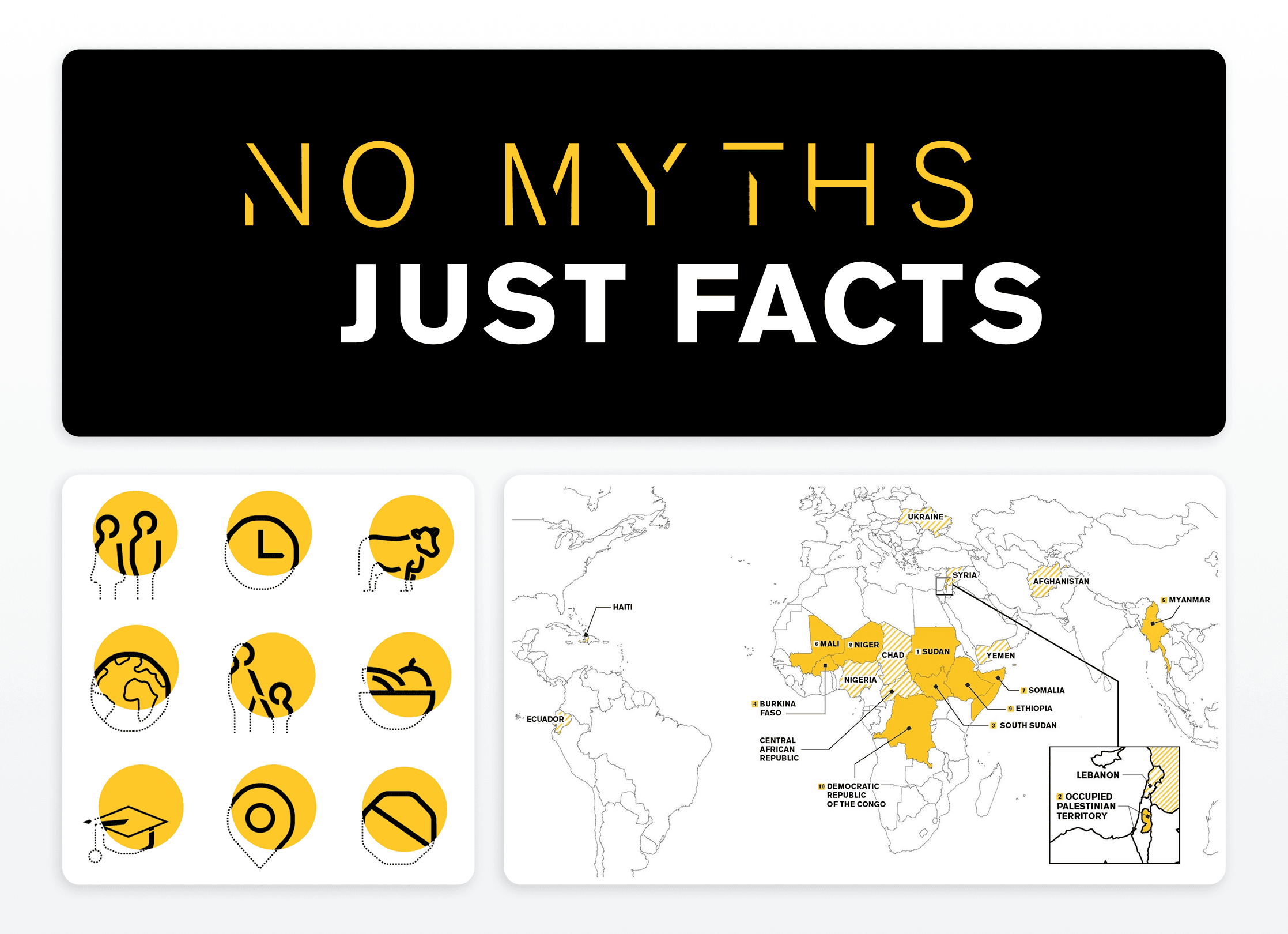
Challenging the Narrative: The thematic analysis was a key strategic component, focused on exploring "the myths that inhibit an adequate response to crisis" to clear up the fog and reveal a new geography of crisis, setting the advocacy agenda for the year.
Data Rigor and Foresight: The report relies on an analytically rigorous process using 65 quantitative and qualitative variables to provide essential foresight for internal emergency planning, successfully predicting on average 85-95% of the worst humanitarian deteriorations annually.
Policy and Media Focus: The launch campaign was designed with an Urgent, Intelligent, and Thought-provoking tone to compel IRC policy targets (government foreign offices) and foreign editors of top-tier media, ensuring the findings translated directly into actionable policy and public discussions.
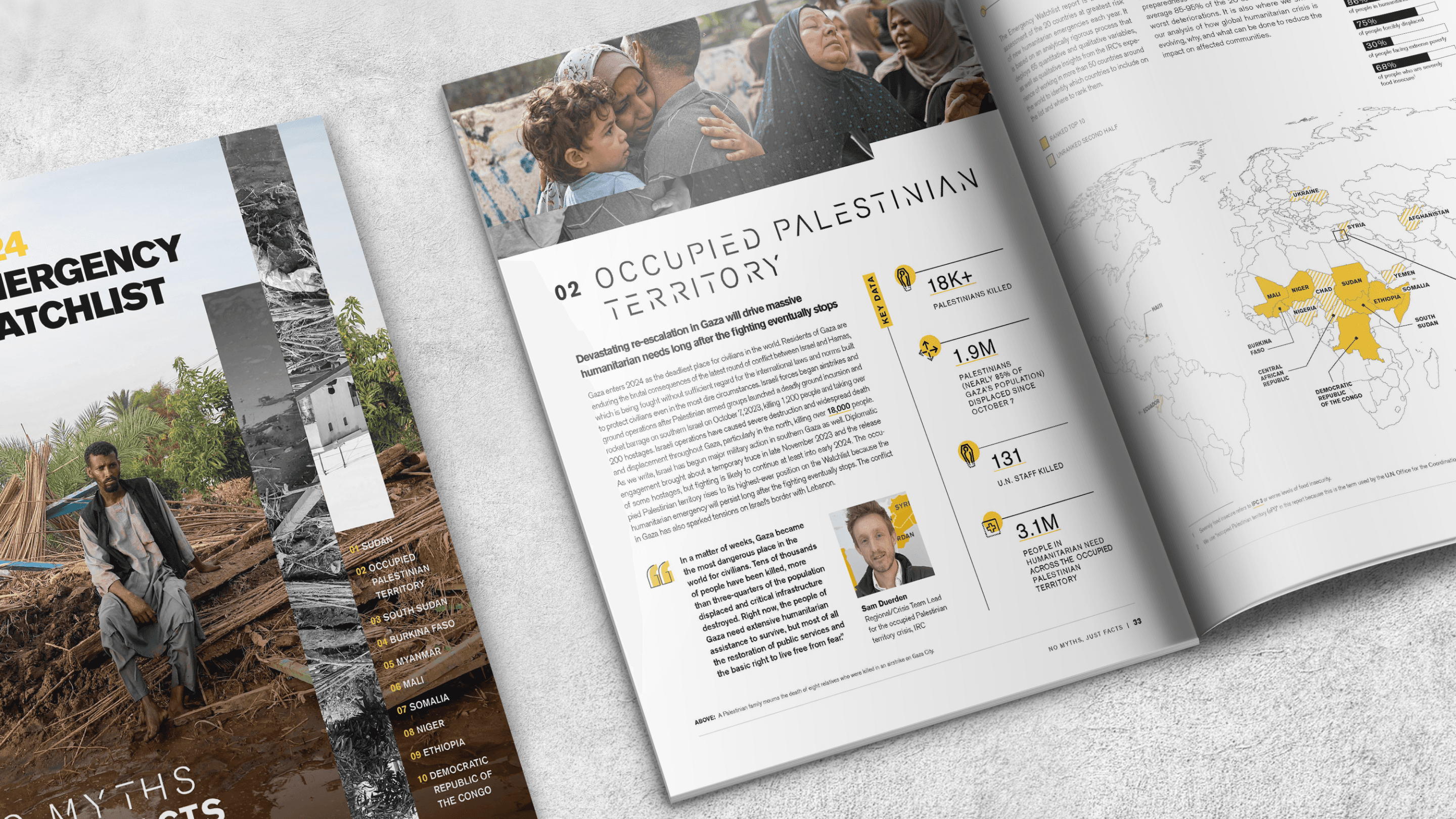
The Watchlist positioned the IRC as a foreign-policy voice rather than only a relief organization — reaching policy officials and international media editors, and giving fundraising a credible, data-backed case for the countries most at risk. Its forecasting model runs on 65 variables and predicts annual humanitarian deterioration with 85–95% accuracy.